
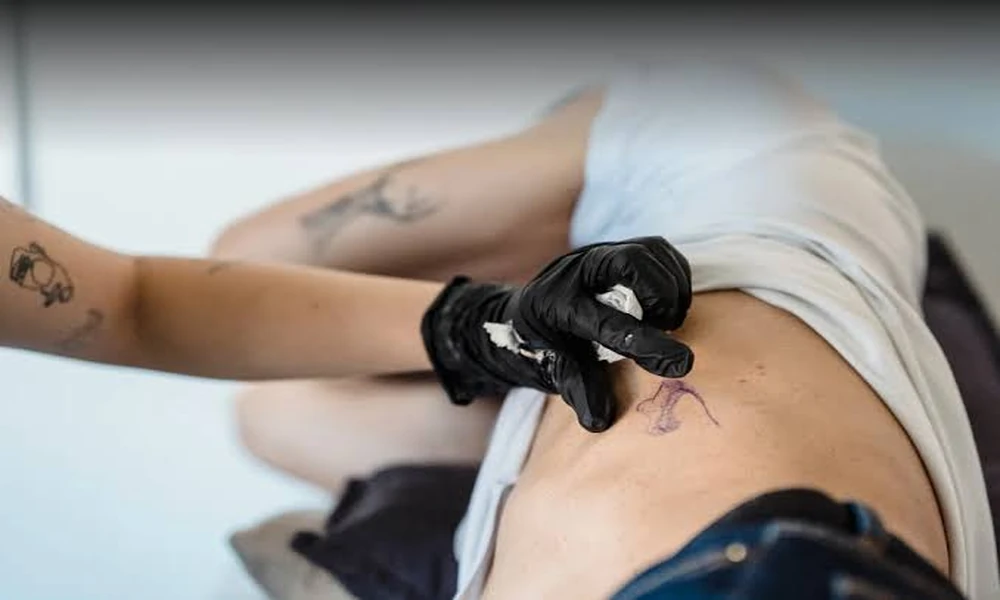
Traditional Japanese tattoos are characterized by their vivid imagery, their strong lines, and their large size, which can sometimes be the entire body. These tattoos have a history of their own and are typically constructed with symbols which mean something, for instance dragons, koi fish, tigers, snakes, flowers and waves.
It’s not only the appearance of the tattoo that’s so appealing to many. There’s also the design story. Every picture can be a symbol of strength, protection, courage, change or good fortune. Japanese style tattooing is a popular option for those looking for a tattoo that is both striking and meaningful.
Symbols and their meanings are listed below:
Animals, flowers and a natural scene are many traditional designs. Dragons are frequently associated with wisdom, strength and protection. Koi fish symbolise patience, courage and perseverance.
Another common image is that of the tiger and it is associated with courage and strength. Snakes can be symbols of change, protection or good luck. Flowers are also frequently used, cherries representing the brevity of life and peonies wealth, honour and bravery.
Traditional Japanese tattoos can be made up of many of these images in a single tattoo. The aim is to achieve a design that becomes one design and not just a series of tattoos that are stuck together.
Include a few details about the background.
Main image is only part of the Japanese tattoo. Background elements like wind bars, clouds, water, smoke and waves contribute to the design and adds to the movement.
Information like this can also assist the tattoo to fit the body’s form. A sleeve, back piece or chest tattoo can be more impressive if the design wraps around the muscles and curves around the body, rather than simply staying flat.
A good tattoo artist will consider the entire piece from various angles. It is particularly crucial with large tatted work in which one section of the tattoo flows into the next.
The construction of large designs takes time.
Japanese style tattoos tend to be bigger than image tattoos. Full sleeves, back and body suits may require several sessions to finish.
Typically begins with planning the primary subject, location and dimensions. Outline is done in the initial design session, then shading, colour and background in later sessions once the design is decided.
Japanese tattoos are often highly detailed, so it’s essential to be patient. Attempting to rush a large piece can impact design flow and cleanliness of the final product design.
It’s also standard for bigger tattoos to take months or even years to get done, depending on the design size and booking frequency.
Colour, Line Work and Visual Balance.
Essential to this style are strong black outlines. They can serve to establish the primary shapes and help maintain clarity in the design, even when the design is complex and has a lot of activity going on in a single piece.
Colour is generally vibrant and not arbitrary. Strong colors such as red, black, blue, green, gold and others are used to highlight certain areas. Some of the tattoos are also based on black and grey color, depending on the person’s wish for the tattoo design.
Colour is not the only consideration, balance plays a role as well. A design should not be crowded or empty. The main image should have enough space to be visible and clear, and the background should not divert attention from the image.
Selecting a Design with Personal Meaning
It’s important to spend a little time before getting a Japanese style tattoo to consider the significance and how the image would relate to your own story. Some select a design due to its origins and past, whereas others relate to a symbol because of its meaning in their life.
For those individuals who are looking for a piece of body art that means something to them, but is also large enough to cover a significant portion of their body, traditional Japanese tattoos can be a great option. Since the style is usually more expansive, it is crucial to pick an artist who is familiar with the Japanese composition, body flow and symbolism.
When a well thought through design is in place, it can be more than decoration. It can span a story throughout the body and still look strong many years after the initial session is completed.